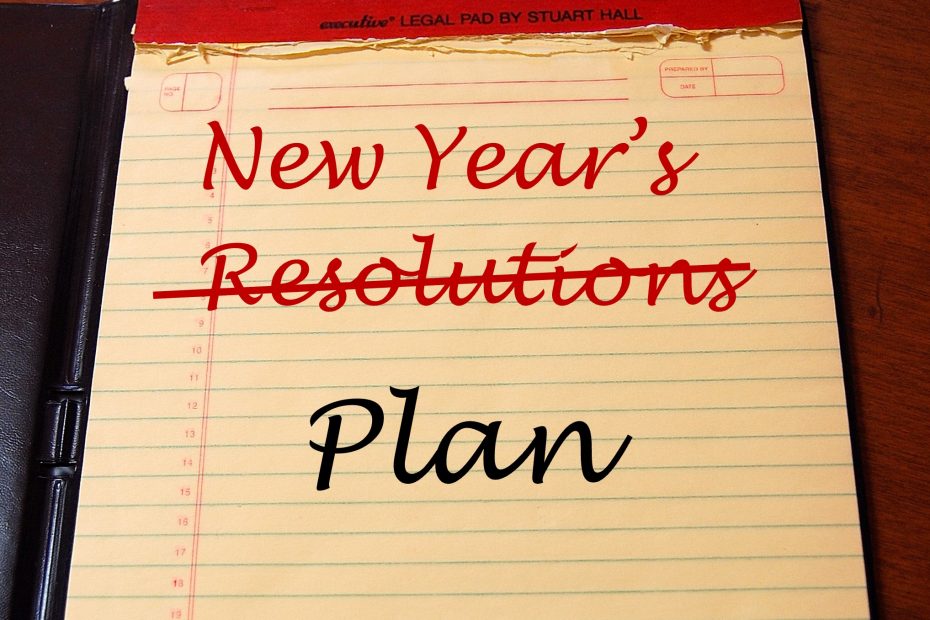
It’s February and most of those New Year’s resolutions are long forgotten. You meant well, but alas, just couldn’t stick with it. Although most don’t make resolutions, per se, for their team or business, it is common to create a plan, then fail to follow it. Much like resolutions!
I worked with an organization once that had created what they called a strategic plan. A thing of beauty, it went on for 32 pages of single spaced prose. It had been written two years previously by a large team. I’m told the project had taken 6 months. There was only one part missing.
There was nothing about implementing the plan.
When I was brought in to help develop a new plan I discovered that no one really knew what was in the current one. In fact, there was only one person who could tell me where the plan was.
Unfortunately, this is not unusual.
I’ve studied and practiced strategic planning for over 30 years. In that time I’ve been fascinated to watch a relatively simple process grow into a grotesque monster as one after another practitioner added or modified something so they could be considered the expert.
The result is a process that has become increasingly complex and less likely to succeed. In fact, lately I’ve seen some business commentators claim that strategic planning is not even necessary and will slow the growth of a business.
That’s wrong.
Whether it’s for your company, your team, or even yourself, a good basic strategic plan gives you a foundation to help direct your efforts. Yes, flexibility is important, especially in today’s fast paced environment, but a good plan can prevent you from just twirling about when things go wrong, like a windsock on a blustery day.
My planning model includes:
• A Vision statement – created by the leader
• A mission statement
• A values statement
• A general list of key stakeholders
• An analysis of bumps and roadblocks – these are impediments that can get in the way of mission accomplishments
• A list of goals
• A list of objectives for the goals
• A deployment and implementation plan
I’ve seen many different planning models; everywhere from almost book length to a 3×5 card. Can you really put a good plan on a 3×5 card? But what most of them have in common is they are missing that last critical step. Having a nice plan is worthless if it isn’t implemented and no one follows it. The leader must keep the plan front-of-mind or it will just be another file in the cloud.
Leaders must ensure everyone on the team knows what’s in the plan and their own part in its implementation. It isn’t enough to know what the mission statement says. It’s also critical for each member of the team to know what they do to for mission success.
It’s also critical to track your goals and hold the team accountable for achieving results. That means regular follow-up. My technique was to use the weekly meetings with my leadership team. One week per month that meeting included a review of goals and how they were progressing.
That regular review kept the plan fresh and relevant.
It also prevented it from becoming another New Year’s resolution.